Gas Killing and its Halal Relevance in Poultry Processing
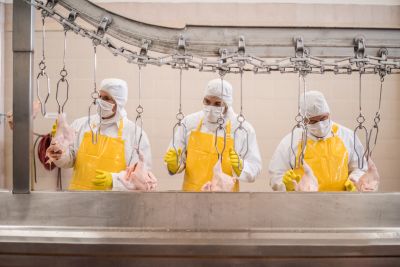
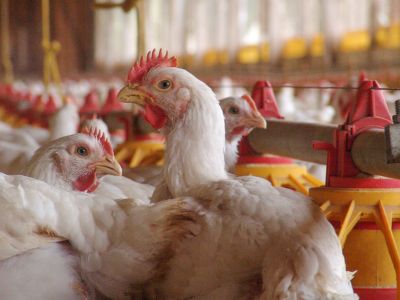
Gases such as carbon dioxide, nitrogen, or argon can be used to kill or stun animals prior to slaughter in a practice known as Controlled Atmospheric Stunning (CAS). This method can be used to render animals unconscious before the cutting and bleeding out portion of the slaughter process. It is most commonly used for poultry and pigs. British law requires that most poultry animals are killed, not simply stunned, using the gas method, with the intent of avoiding pain and distress caused by other methods. Though obviously not relevant for discussions of Halal acceptability, CAS is, for example, widely used in Australia to render pigs unconscious before their throats are slit. It is rarely employed in the slaughter of cattle, sheep, or goats, and from a Halal perspective, gas stunning is primarily recommended for use on poultry. Thus, our article will concentrate on the question of gas stunning and killing in poultry processing.
From a Halal perspective, it is important to separate the use of gas for stunning versus slaughtering. There is no debate that slaughtering via the use of gas alone would not be considered Halal, since it prevents completion of Islamic slaughter practices. The debate centers around the question of whether or not the animal is still alive after being rendered unconscious by gas exposure. While this method can be used for mass euthanasia of farm animals in the case of a disease outbreak, CAS prior to other slaughter processes does not kill the animal, and birds still have a heartbeat.
In contrast, while permissibility of stunning and various methods have been extensively debated, some religious scholars argue that rendering an animal senseless to pain is in line with Islamic principles of humane treatment of animals. Islamic authorities have approved a range of Halal stunning methods, including a physical blow, electrocution, or unconsciousness via exposure to a non-oxygen or anesthetic gas. Though it is not without controversy, many people feel that gas stunning can be used as long as it does not cause death. Even though gas-stunned birds do not recover - in other words, they would eventually die as a result of the gas exposure - immediate commencement of the Halal compliant knife slaughter ensures that the actual death is a result of Halal slaughter.
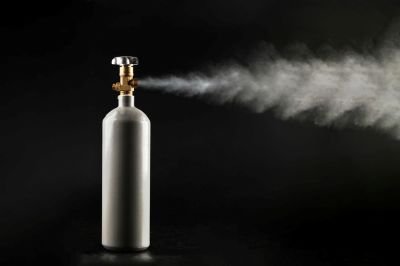
Moreover, some research shows that animals may have adverse reactions to the high concentrations of carbon dioxide used in CAS, including respiratory tract irritation, gasping, and other forms of distress.
Since the primary purpose of stunning is to avoid the fear and pain associated with the act of slaughter itself, more research will be needed to better understand if all forms of CAS constitute humane stunning, both in general and for purposes of Halal slaughter.
Now, the key question remains: does Islamic Services of America (ISA) permit gas stunning? The answer depends on ongoing research and applicable Islamic rulings for each specific case; this is not a one-size-fits-all issue. As gas stunning continues to be a subject of scholarly and ethical debate, a more definitive position may be developed over time following comprehensive research.