Gelato Vs Ice Cream and Their Halal Suitability
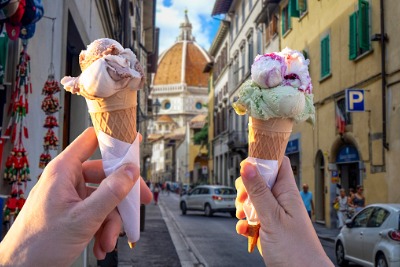
Picture this: You're strolling down the cobbled streets of Florence, Italy, on a warm summer afternoon. The sun is beating down, and you're craving something cool and refreshing. Suddenly, you spot a gelato shop. The colorful tubs of creamy goodness behind the glass look tempting, but as you take a step closer, a question pops into your mind: “Is this Halal?” It’s a fair question. While gelato and ice cream may look alike, they are not exactly the same; and when it comes to Halal suitability - understanding the differences can make a big impact on your choices. So, let’s dive into what sets gelato apart from ice cream and how you can figure out if your sweet treat is Halal-friendly.
What is Gelato?
Gelato, the Italian version of ice cream, has a history that stretches back to the 16th century. It was first crafted in Florence during the Renaissance, with Bernardo Buontalenti, a court chef for the Medici family, often credited with popularizing it. Today, gelato is a beloved national treasure in Italy, known for its rich, intense flavor and smooth texture. Unlike ice cream, gelato is made with less air incorporated into the mix, which gives it a denser, smoother texture. It also uses more milk than cream, which results in a lower fat content. The result? Gelato is richer in taste, smoother on the tongue, and usually served at a slightly warmer temperature than ice cream, which allows the flavors to come through more vividly.
Gelato vs. Ice Cream: What’s the Difference?
While gelato and ice cream may look the same in a tub, they differ significantly in their composition. Here’s a quick breakdown of the key differences:
|
Feature |
Ice Cream |
Gelato |
|
Fat Content |
10-18% (more cream) |
4-8% (more milk, less cream) |
|
Air Content |
Up to 50% air (lighter) |
20-30% air (denser) |
|
Texture |
Light, fluffy, with ice crystals |
Dense, smooth, and creamy |
|
Serving Temperature |
-12°C to -20°C |
-9°C to -12°C |
|
Flavor Intensity |
Milder due to cold and fat |
Stronger, more intense flavors |
While both are creamy and delicious, gelato has a more intense flavor profile thanks to its lower fat content and warmer serving temperature.
Is Gelato Halal?
When it comes to Halal suitability, gelato can be a bit of a mixed bag. The main concern lies in the ingredients used. While gelato is not inherently forbidden for Halal consumers, some artisanal versions may include ingredients that raise concerns. Here are a few to watch out for:
When Gelato is NOT Halal:
- Gelatin (often derived from pork or non-Halal beef)
- Mono- and Diglycerides coming from non-Halal animal fats
- Alcohol-based flavors (e.g., rum or liqueur-infused gelatos)
- Cochineal (E120) (a red food dye made from insects)
When Gelato IS Halal:
- Check for Halal-certified gelatin (like agar-agar or pectin from seaweed).
- Plant-based emulsifiers (like lecithin from soy or sunflower).
- Natural flavors (vanilla, mint, coffee) without alcohol-based solvents.
- Many artisanal gelato shops do not list their ingredients, so it’s important to ask about what’s in your scoop before you indulge.
How to Identify Halal Gelato/Icecream
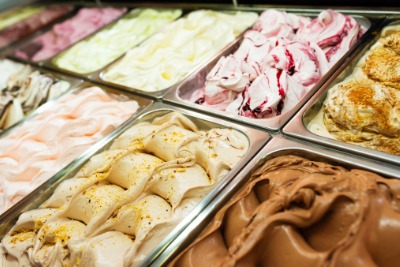
If you’re standing in front of a gelato/icecream display and wondering if it's Halal, here are a few tips:
- Look for Halal certification logos on packaging, menus, or store displays.
- If you don’t see a logo, ask the staff about the ingredients, especially for artisanal options.
- Avoid suspicious flavors like tiramisu, rum-raisin, or anything labeled with alcohol.
- You can also use Halal food apps to verify the product or scan barcodes for quick information.
If you are still not sure, the safest option is to make your own Halal gelato/icecream at home!
How to Make Halal Gelato at Home
Making gelato at home gives you full control over the ingredients, ensuring that everything is Halal-friendly. Here’s a simple vanilla bean gelato recipe to try out:
Ingredients:
- 2 cups of whole milk
- 1 cup heavy cream
- ¾ cup sugar
- 1 vanilla bean
- 4 egg yolks (optional for creaminess)
Instructions:
- Heat the milk, cream, and sugar together in a saucepan until the sugar dissolves.
- Scrape the vanilla bean into the milk mixture, stirring well.
- Temper the egg yolks and mix them into the milk mixture, cooking until slightly thickened.
- Chill the mixture thoroughly.
- Pour into an ice cream maker or freeze in a shallow container for about 4 hours, stirring every 30 minutes.
- Serve with Halal-friendly toppings like crushed pistachios, mango, or saffron for a luxurious twist!
Final Thoughts
Gelato and ice cream are two delicious frozen desserts, but their ingredients and texture differ. For Halal consumers, it is important to check the ingredients, especially when indulging in artisanal varieties. If you are ever in doubt, making your own gelato at home ensures you get exactly what you want, without compromising on your values. So next time you are in a gelato shop, let both your sweet tooth and Halal consciousness guide you to a perfect, guilt-free treat!