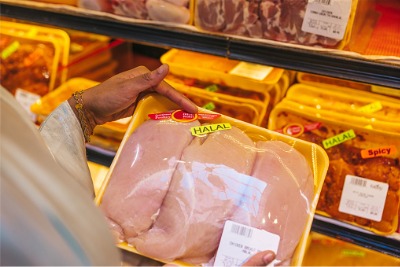
Halal Meat in the Foodservice Industry: Opportunities for Restaurants and Caterers
Can the growth of the Halal meat market impact the foodservice industry? The answer is a resounding YES. The Halal meat market is reshaping the food service industry by opening new revenue streams for restaurants and caterers. The global Halal food market is projected to surpass $3.8 trillion in the coming years, with meat being one of its fastest-growing categories. If you are in the food business or planning to invest in Halal meat, here are some exciting opportunities awaiting your brand.
1. Menu Expansion
Offering Halal meat options will attract Muslim consumers as well as ethical diners who value high-quality food. This creates an opportunity to expand your menu and serve a wider, more diverse audience.
2. Event Catering
Halal-certified food is in high demand for weddings, corporate functions, and community events. Offering a complete Halal menu provides a competitive edge for large group bookings. You can also create customizable Halal catering packages featuring Middle Eastern, African, or Asian cuisines, especially in multicultural cities.
3. Tourism and Hospitality
The rise of Halal travel is boosting demand for Halal foods in restaurants and tourist destinations. Offering Halal meat options to tourists seeking authentic experience can position your business as a trendsetter.
4. Plant-Based Innovation
The growing demand for plant-based foods presents new opportunities. By combining Halal meat with plant-based dishes, or offering Halal-certified meat alternatives, restaurants can appeal to flexitarians and ethical consumers. One of ISA’s well-known Halal-certified plant-based partners is Beyond Meat. Consumers and suppliers can try their tasty Beyond Burgers and explore other favorites to increase Halal line of products.
5. Inclusive Dining
Halal food is not just a dietary guideline—it is a symbol of inclusivity. By offering Halal meat options, restaurants can build trust, foster cultural harmony, and contribute to the UN Sustainable Development Goals (SDGs).
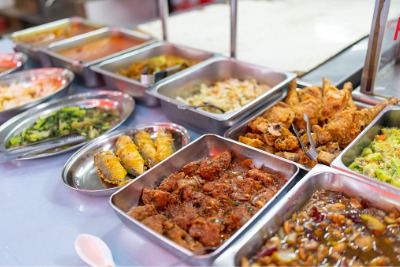
6. Quick Service and Street Food
Halal-certified street food is growing rapidly. By offering affordable Halal quick-service meals, your restaurant can attract customers looking for convenient dining options.
The Role of Halal Certification
Halal certification is your entry point into the Halal meat market. It guarantees authenticity and builds trust among Halal-conscious buyers. Get certified by a recognized Halal authority in your country and strictly follow Halal principles.
Key Steps to Ensure Certified Meat Options Include:
- Source only from Halal-certified suppliers.
- Use separate utensils and preparation areas.
- Clearly label Halal foods for customer assurance.
- Register with a reputable Halal certification body like ISA.
- Train your staff on Halal principles.

Today’s diners value ethics as much as taste. They cherish transparency and trust. By adhering to Halal principles and offering inclusive menu options, your food business can achieve long-term growth in the Halal food industry. Halal meat is not just a menu addition—it is the future of foodservice.