How North American Halal Food Supply Chains Are Adapting to Climate Change
The food and livestock supply chains face challenges as the impacts of climate change continues to manifest and intensify. Rising temperatures, increasingly variable precipitation, and heightened risks of extreme weather events are prompting farmers, ranchers, processors, and manufacturers to implement new adaptation strategies.
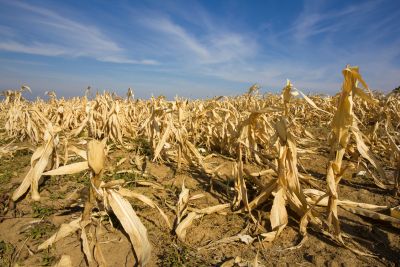
Adaptation begins on the farm, with increased use of drought-tolerant crops, precision agriculture practices, and more resilient cropping systems. As regional climate patterns change, current predictions suggest that global crop yields will decline by 8%, with some crop yields expected to decrease by as much as 24%. Impacts are expected to vary for different crops. Soybean, corn, and rice yields will likely decline, while wheat yields, as well as regions suited to growing wheat, may increase.
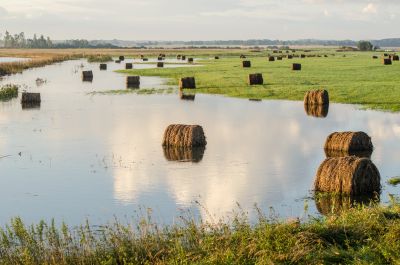
Drought and decreased crop productivity will lead to food-system wide impacts - since both livestock feed and grains meant for direct human consumption will be more expensive. Drought can also directly affect livestock production. For example, Dr. Keith DeHaan from Food & Livestock Planning Inc. in his exclusive interview with Islamic Services of America (ISA) mentioned drought as a major reason for high prices of beef in the US. He also added, the beef industry is currently facing hard times and most packing companies are currently losing money on the beef side due to the low supply and high price of cattle. A major reason for the low supply is the drought in the United States starting about three or four years ago. Cow-calf producers in the drought-laden southeastern and southwestern parts of the U.S. sent their females to market. The reduction in the "mother ship" (reproducing units) means there are not enough left to produce calves and therefore affected the beef market directly.
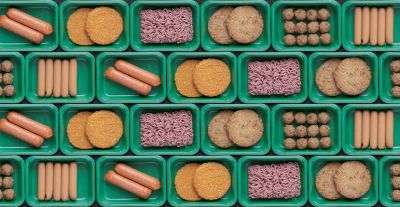
Thus, when food prices rise, purchasing power decreases, and consumers must direct more towards the less expensive options. Since livestock production depends on feed grain, meat prices will also likely increase, perhaps even more so. It is possible that Halal supply chains, like all food supply chains globally, will see increased demand for affordable options with less meat or no meat. High-protein, plant-based meat alternatives have become popular with many demographics, but Halal-certified options are limited.
With food prices expected to rise overall, Halal-certified plant-based protein products that can maintain current prices or limit price increases could position themselves competitively in the market.
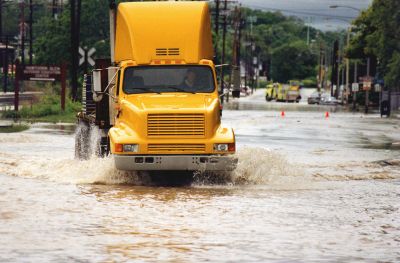
Climate change will likely have impacts on supply chain logistics as well. Greater climate variability may incentivize processors and retailers to shorten distances between production and consumers to reduce risks of spoilage or damage under harsher weather conditions. Especially for fresh and frozen products that depend on a reliable cold-chain, shipping disruptions can lead to huge losses. This could mean a greater need for locally or regionally sourced Halal-certified products. While it is hard to predict what the impacts will be, greater availability of American and Canadian Halal-certified meat and other products could help make these supply chains shorter and more resilient compared to products sourced from overseas.
Another way that Halal supply chains may need to adapt to climate change is meeting consumer demand for sustainable products, such as crops and livestock raised with climate-smart practices. Millennial and Gen-Z Muslim consumers in the United States and Canada are concerned not just about eating Halal, but about the environmental impact of food production as well. Though sustainability and humane treatment of food animals throughout their lifetime are not encompassed by Halal certification alone, these concerns reflect Islam’s emphasis on reverence and respect for all forms of life and the ecosystems that sustain us. Thus, pairing Halal certification with Organic, Humanely Raised, Regenerative Organic Certified, or other certifications can make products especially attractive to Halal consumers who think holistically about food production and processing.
Islamic Services of America (ISA) is a leading USA based Halal certification and auditing organization serving companies, the community, and the Halal certification industry for over 50 years. Contact ISA at isa@isahalal.com or send your initial inquiry to Halal certify your products at https://www.isahalal.com/contact or visit the ISA website for more information at https://www.isahalal.com/. All images used on this blog are exclusively licensed from www.istock.com. Any false claims regarding the ownership of these images will result in legal action and prosecution.