Humane Slaughter in the United States
In the United States, ‘humane slaughter’ for mammalian food animals including cattle, sheep, and goats is defined by the Humane Methods of Slaughter Act (HMSA), a federal law passed in 1958 in response to public pressure. This law requires a “quick and effective” death for animals at slaughter plants, but was initially quite limited in application. A 1978 amendment expanded its scope to all federally-inspected slaughterhouses.
The United States Department of Agriculture (USDA) Food Safety and Inspection Services (FSIS) has the power to create regulations to implement and enforce the HMSA, found in the Code of Federal Regulations. In essence, the United States Congress legally defines humane slaughter, and gives the USDA the power to create more detailed rules needed to ensure that the law is upheld and to enforce the law, including by halting slaughter activities if they find that animals are being handled inhumanely. However, actual enforcement power of the USDA is limited, and processors can resume operation as long as violations are addressed.
Specific acceptable methods of slaughter are defined within the act:
- “(a) in the case of cattle, calves, horses, mules, sheep, swine, and other livestock, all animals are rendered insensible to pain by a single blow or gunshot or an electrical, chemical or other means that is rapid and effective, before being shackled, hoisted, thrown, cast, or cut; or
- (b) by slaughtering in accordance with the ritual requirements of the Jewish faith or any other religious faith that prescribes a method of slaughter whereby the animal suffers loss of consciousness by anemia of the brain caused by the simultaneous and instantaneous severance of the carotid arteries with a sharp instrument and handling in connection with such slaughtering.”
The exemption of ritual slaughter from the HMSA is meant to prevent unconstitutional impingement on religious freedom, and the act states that no provision within it “shall be construed to prohibit, abridge, or in any way hinder the religious freedom of any person or group.”
The HMSA also covers other aspects of humane handling related to slaughter. For example, animals must not be made to move faster than a normal walking speed, must always have access to water in holding pens, must be able to lie down if held overnight, and must not be dragged while conscious. In addition, handlers may not use sharp objects or any other object that would cause unnecessary pain in driving the animals, and pens, ramps, and other buildings and equipment must be kept in good condition so that animals are not injured while being moved or held.
As stated in the 1978 amendment, the goals of these regulations are to prevent needless suffering, create safer working conditions, improve products and economics of slaughter operations, and support other benefits for producers, processors, and consumers, including efficient and orderly production of livestock products. These regulations apply to animals raised outside the United States, with the HMSA specifying that "No such carcasses, parts of carcasses, meat or meat food products shall be imported into the United States unless the livestock from which they were produced was slaughtered and handled in connection with slaughter in accordance with the Act of August 27, 1958 (72 Stat. 862; 7 U.S.C. 1901–1906)," (21 U.S.C § 620 (a)(2025)).” This is an important protection for both food animals as well as US livestock producers who might face competition from foreign producers using weaker animal welfare standards to reduce costs.
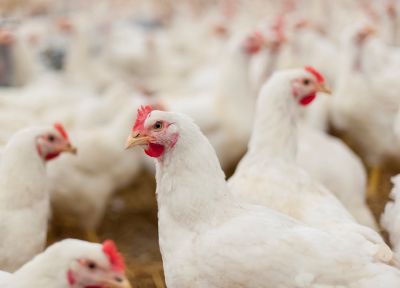
Slaughter of poultry food animals is regulated by a different law, the Poultry Products Inspection Act (PPIA). This law and the related regulations require commercial best practices to be used in handling poultry, and that the animals not die from any cause other than slaughter after arriving at the processing plant. Specific requirements are weaker than the HMSA, drawing criticism from many animal rights activists.
Halal or Islamic slaughter aligns with the U.S. definition of “humane slaughter” because it ensures a rapid, painless loss of consciousness through the precise severing of major blood vessels—meeting the Humane Methods of Slaughter Act’s religious exemption standard. This connection underscores why Islamic Services of America (ISA) is relevant: as a Halal certifier, ISA ensures that slaughter practices comply with both Islamic requirements and U.S. humane handling laws, promoting ethical, lawful, and faith-conscious food production.