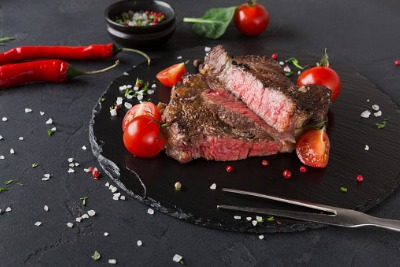
Why Halal Meat is the Next Big Thing in American Grocery Aisles
Did you notice how different grocery shopping is today? Take a stroll down Walmart’s frozen aisle, and you’ll see it: nestled between organic chicken and grass-fed beef—something you wouldn’t have found a decade ago: Halal-certified meat. It’s not just Walmart. Whole Foods, Costco, Kroger, and even local neighborhood stores are stocking Halal products. What was once a niche option for Muslim families is now one of the fastest-growing categories in U.S. food retail. So, why is Halal meat suddenly everywhere? The answer is a combination of ethics, curiosity, and evolving consumer behavior. Let's explore.
Growing Halal Market & Muslim Population
According to Allied Market Research, the U.S. Halal food market was valued at $59.4 billion in 2022 and is projected to hit nearly $88.9 billion by 2026, a trend that retailers can no longer afford to ignore.
Unlike many fleeting food trends, Halal benefits from lasting demand drivers. The most significant factor is the increasing Muslim population in the U.S., which numbers around 3.5 million. Pew Research shows many are young, second-generation Americans, and this population is growing. Naturally, there’s increasing demand for Halal products—not only in specialty butcher shops but also in major supermarkets.
Ethical Appeal
At the core of Halal certification is humane treatment and transparency. A large segment of American shoppers, both Muslim and non-Muslim, are increasingly willing to pay a premium for products that offer clear sourcing, transparent labels and ethical practices. Halal meat aligns with these values and appeals to a broader consumer base, beyond just religious needs. Moreover, with the appropriate Halal logo like ISA’s, one can track the sourcing and processing of the meat very easily. If one of our ISA Halal logo marks is displayed on product packaging, the Halal consumers can fill out a contact inquiry form to learn more about the particular product.
Health and Clean Eating Trends
As the saying goes, "We are what we eat." The clean eating movement is elevating Halal meat as a healthier, fresher choice. Research suggests that Halal meat is perceived as safer, with lower microbial contamination compared to non-Halal meat. This growing perception fits well with America's increasing obsession with clean, wholesome protein sources.
Mainstream Retail and Innovation
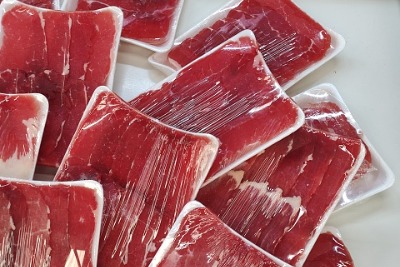
Halal is no longer limited to niche specialty stores. Popular brands like Sukhi’s, Impossible Foods, and Beyond Meat are making Halal options available to both regular meat eaters and those on plant-based diets. This evolution makes Halal an integral part of every shopper’s experience.
Curiosity & Online Convenience
Food has long served as a bridge between cultures. For many Americans, curiosity is a driving factor in exploring Halal meat. With the rise of street food culture and social media hashtags like #HalalEats, more people are intrigued and eager to try Halal options at home. E-commerce platforms like Amazon and Halal World Depot have further expanded the reach of Halal products, making certified meat accessible to consumers nationwide. While traditional butcher shops remain community pillars, online retailers are bridging the gap, making Halal products available both locally and globally.
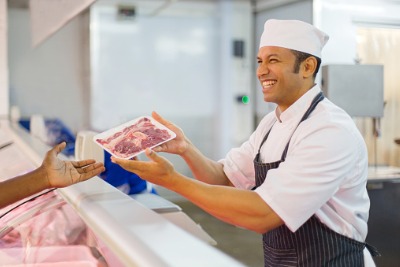
Why Your Brands Should Care About Halal Certification
- Attract Muslim consumers who prioritize Halal certification.
- Build trust with non-Muslim consumers who value transparency and ethical sourcing.
- Position your brand for growth in a rapidly expanding market.
Final Words
Halal meat has gone from niche to mainstream, earning recognition not only from Muslim consumers but also from ethical shoppers across America. Halal is no longer just a product category; it’s becoming a key element of modern American food culture. Next time you shop, don’t be surprised to find Halal meat in the aisles - not as an alternative, but as a growing part of the American food landscape.